Technical guides
8 common mistakes when varnishing wood (and how to avoid them)
Bubbles, cracks, peeling, and lost sheen: the 8 most common mistakes when varnishing wood in workshops in Guatemala and how to avoid them, based on ICLA's factory experience.
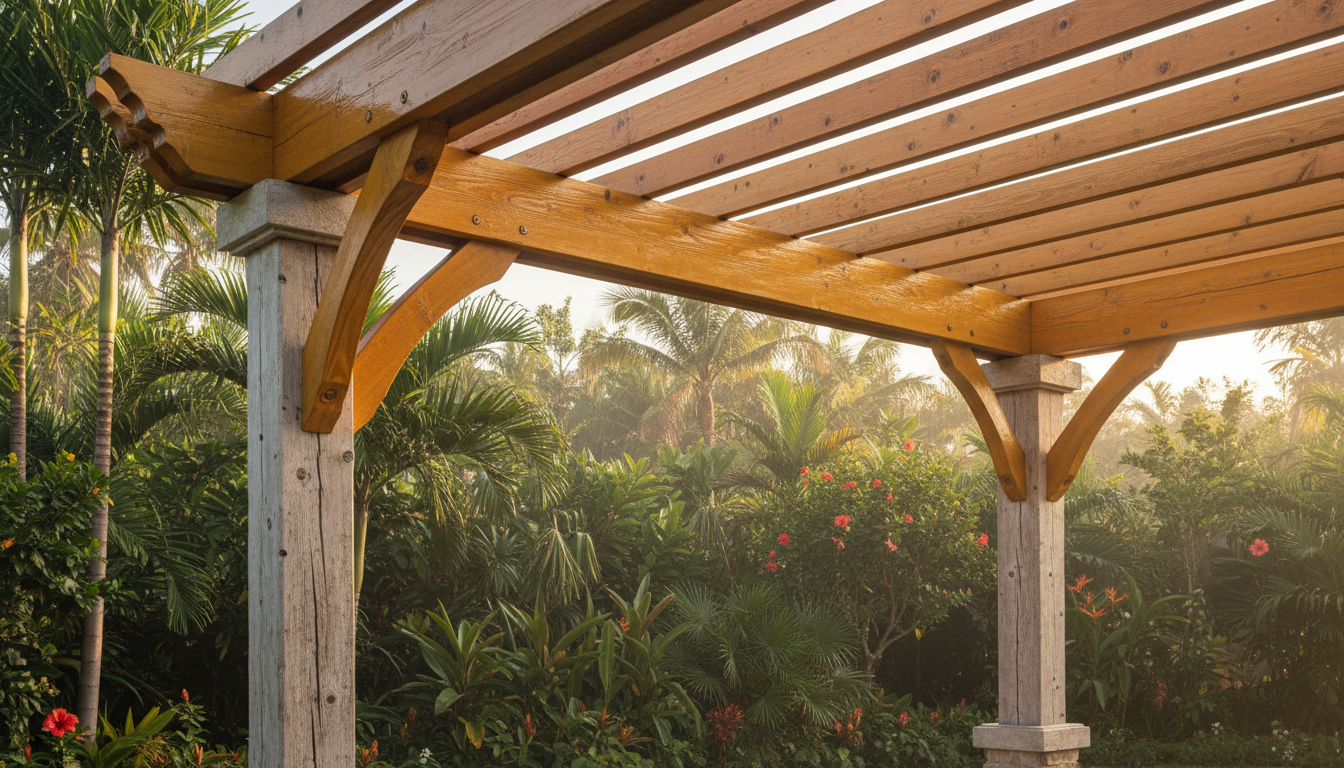
Most finishing problems do not stem from the varnish itself: they come from how it is used. These are the errors we see most frequently in workshops across Guatemala—and how to avoid them, based on our experience as a manufacturer.## 1. Varnishing damp woodThe most expensive mistake of all. With wood moisture content above 12%, the varnish develops bubbles, loses adhesion, and can crack within weeks.Solution: always measure with a moisture meter before starting; between 8% and 12% is the correct range.## 2. Poor surface preparationApplying varnish over poorly sanded wood, or wood with machine marks or dust, will ruin any product, no matter how good it is.Solution: sand with 80–100 grit and finish with 150–180, always following the grain, and remove all dust before each coat.## 3. Excessive coating thicknessApplying "too much" to save time results in drips, uneven drying, and film that cracks.Solution: several thin coats always perform better than one thick one. 2–3 coats of topcoat is the general rule.## 4. Not respecting drying timesSanding or applying the next coat too early traps solvent inside the film and causes defects that appear days later.Solution: follow the product instructions and the recommendations of your technical supplier.## 5. Mixing products from different manufacturersIt seems like a saving, but it is a gamble: chemical incompatibility between layers leads to cracking, peeling, and premature loss of sheen.Solution: use a complete system from the same manufacturer—sealer, stain, and topcoat designed to work together.## 6. Ignoring the correct sheen levelChoosing sheen based only on preference makes maintenance difficult: high-gloss finishes on high-contact surfaces highlight every fingerprint and micro-scratch.Solution: matte for high-use surfaces and contemporary style; satin as a versatile middle ground; high-gloss for high-impact visual pieces with impeccable preparation.## 7. Applying in poor environmental conditionsSuspended dust, drafts, and sudden temperature changes leave marks, orange peel, and embedded particles.Solution: varnish in a clean space, without direct drafts, and at a stable temperature.## 8. Using interior varnish for exterior projectsA system formulated for interiors will not withstand rain and direct sunlight; it will degrade rapidly.Solution: for exterior projects, check with your supplier first; at ICLA, our systems are formulated for interior use, and we can guide you for each specific case.## The golden rule> A professional finish is 30% product and 70% process.The best varnish cannot save a poor application, but a correct process makes any quality system perform well. At ICLA, as a Guatemalan manufacturer of wood coatings, we provide the product and free technical advice so that your process is the right one: iclacoatings.com or WhatsApp +502 3994 8967.
Questions about your project?
Our technical team will help you choose the ideal product and finish.
Talk to an advisor